What's Growing Beneath the Surface: The Real Reason Your Hair Keeps Letting You Down
You've invested in a great cut. You've splurged on the color. You followed every aftercare instruction your stylist gave you, maybe even bought the products they recommended right there at the front desk. And yet — a few weeks later — something still feels off. The shine isn't there. The style falls flat. The color faded faster than it should have.
Here's the thing nobody talks about enough: the problem probably isn't your cut, your color, or even your products. It's what's happening about half an inch above your hair follicles — your scalp.
At D. Cole Hair Design, we talk a lot about transformation. But real transformation doesn't start with scissors or a color brush. It starts with the skin your hair grows out of. And when that foundation is compromised, nothing else performs the way it's supposed to.
Your Scalp Is Skin — And It Deserves the Same Attention
This sounds obvious when you say it out loud, but most people treat their scalp like it's a separate entity from the rest of their body's skin. It isn't. It's actually some of the most active skin on your body — packed with sebaceous glands, hair follicles, and a microbiome that, when balanced, creates the ideal environment for strong, healthy growth.
When that environment gets thrown off — by stress, product buildup, hard water, hormonal shifts, or even the wrong shampoo — the scalp becomes inflamed. And inflammation is the silent saboteur of every hair goal you've ever had.
An inflamed scalp constricts blood flow to the follicle. Less blood flow means less oxygen and fewer nutrients reaching the root. Hair that grows from a compromised follicle tends to be weaker, more porous, and more prone to breakage — before it ever makes it to your shoulders.
The Buildup Problem Nobody Wants to Talk About
Product buildup is one of the most common — and most underestimated — scalp issues stylists see every single day. Dry shampoos, leave-ins, heavy conditioners, silicone-based serums: all of these can accumulate on the scalp over time, clogging follicles and creating a layer of residue that interferes with both hair growth and color absorption.
If you've ever had a color service that didn't take evenly, or noticed your highlights looked dull almost immediately after leaving the salon, buildup is often the culprit. Color molecules need to penetrate the hair shaft cleanly and consistently. When there's a coating of product residue sitting on the scalp and root area, that process gets disrupted — and the results you paid good money for don't show up the way they should.
A good clarifying shampoo used once or twice a month can make a significant difference. But the key is not overcorrecting — stripping the scalp too aggressively creates a different problem entirely.
The Sebum Balancing Act
Sebum — the natural oil your scalp produces — is actually your hair's best friend when it's in balance. It coats the hair shaft, adds shine, and creates a protective barrier against environmental damage. The problem is that most people are either overproducing or underproducing it, and their hair care routines are often making things worse.
Washing every day strips sebum faster than the scalp can replenish it, which signals the glands to produce even more oil — leaving you in a greasy cycle that feels impossible to escape. On the flip side, going too long between washes (especially with dry shampoo masking the buildup) creates a different kind of imbalance.
Your stylist can often read your scalp's oil patterns just by looking at how your hair behaves in the chair. That's information that shapes everything from which products they recommend to how they'll approach your next color service.
What Stylists Wish You'd Do Before You Come In
Here's something most clients don't realize: the condition of your scalp on the day of your appointment directly affects your results. Showing up with heavy buildup, an irritated scalp, or skin that's been freshly scratched or picked can limit what your stylist is able to safely do.
A few simple habits in the days leading up to your appointment can genuinely shift the outcome:
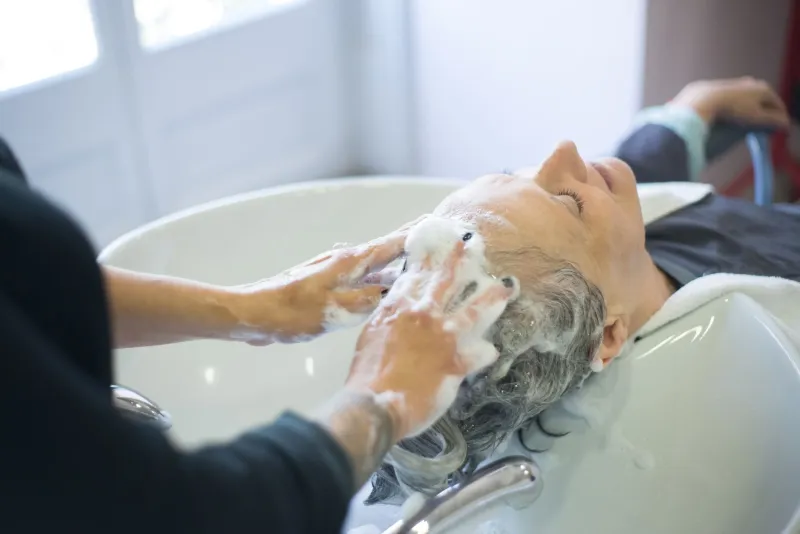
Do a gentle scalp massage. Using your fingertips (not your nails) to massage your scalp for a few minutes each day increases circulation and helps loosen any buildup. Some clients do this in the shower while shampooing. It's one of the easiest, most underrated things you can add to your routine.
Clarify a day or two before a color service. Not the morning of — freshly washed scalps can be slightly more sensitive — but a day or two out is ideal. This gives the scalp time to produce just enough natural oil to act as a protective barrier during the coloring process.
Skip the dry shampoo the day before. Dry shampoo is a miracle in your daily life, but it's a nightmare for your stylist trying to work on a clean canvas. Even if your hair feels fine, the product sitting at your root line affects how chemicals and color distribute.
Be honest about what's going on. If your scalp has been itchy, flaky, tender, or unusually oily, tell your stylist before they start. This isn't oversharing — it's essential information that changes the approach entirely.
The Confidence Connection
There's a layer to this that goes beyond the technical. Scalp health is deeply tied to how people feel about their hair on a day-to-day basis — and by extension, how they feel about themselves.
Itchiness, flaking, or thinning at the root are the kinds of things people quietly worry about but rarely bring up, even with their stylist. They become self-conscious in the chair. They avoid certain styles. They stop wearing their hair up because they don't want anyone to see what's happening at the scalp.
When clients start prioritizing scalp wellness — even with small, consistent changes — the shift in their confidence is noticeable. Not just because their hair looks better, though it does. But because they stop dreading the appointment. They start trusting the process. They show up ready to be seen.
That's the kind of transformation that has nothing to do with a specific cut or color and everything to do with building a healthy foundation.
Where to Start If You're Starting From Zero
You don't need a ten-step scalp care routine. You need a consistent one. Start with these basics:
- Clarify monthly with a sulfate-based shampoo designed to remove buildup
- Follow with a scalp-specific treatment — look for ingredients like salicylic acid (for buildup and flaking), tea tree oil (for balance and soothing), or niacinamide (for barrier support)
- Be gentle. The scalp doesn't need aggressive scrubbing — it needs consistent, mindful attention
- Protect from the elements. UV exposure, cold dry air, and hard water all affect scalp health; a UV-protective spray and a filtered showerhead are both worth considering
- Talk to your stylist. They see your scalp up close every few weeks. They notice things. Ask them what they're seeing and let that conversation shape your home routine
The best hair of your life doesn't start with a new cut or a bold color change — though we love both of those things here. It starts with the skin beneath the strand. Tend to that first, and everything else your stylist does for you will finally have the foundation it needs to last.