Before You Even Say Hello: How Your Hair Speaks for You in Every Room You Enter

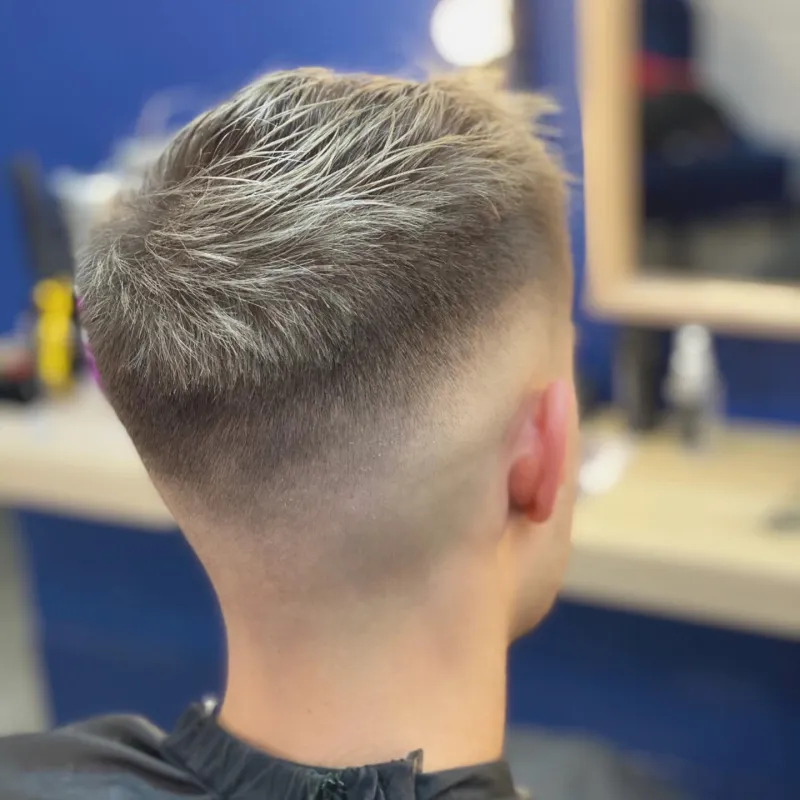
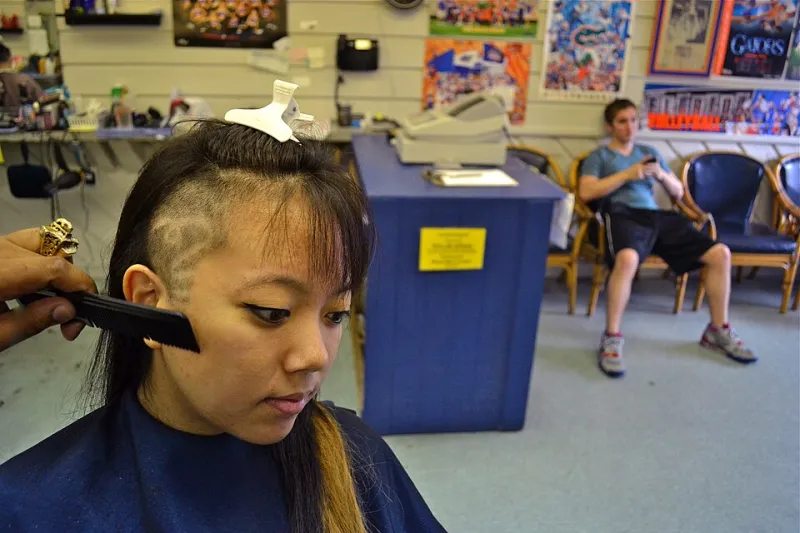
Photo: micadew from US, CC BY-SA 2.0, via Wikimedia Commons
Think about the last time someone walked into a room and immediately commanded attention. Maybe it was a colleague at a work event, a stranger at a party, or even someone you spotted across a restaurant. Before you registered their smile, their posture, or what they were wearing, something else caught your eye first — their hair.
It sounds almost too simple, but it's backed by decades of research in social psychology. Hair is one of the first visual cues we process when we encounter another person. It sits at the top of the frame, literally and figuratively, and it shapes first impressions faster than any blazer or pair of shoes ever could.
At D. Cole Hair Design, we talk about this all the time — not because we want to add pressure to your next appointment, but because understanding this dynamic is genuinely empowering. Once you realize your hair is already communicating something, you get to decide what it says.
The Brain Processes Hair Before Almost Anything Else
Here's the thing about first impressions: they happen in milliseconds. Social psychologists have found that people form initial judgments about a stranger within a fraction of a second of seeing them. And because hair is positioned at the top of the visual field, it gets processed early in that split-second assessment.
Psychologists often describe this as part of our "thin-slicing" behavior — the mental shortcut where we make rapid assessments based on minimal information. Hair color, length, style, and condition all feed into that snap judgment. Is this person put-together? Creative? Approachable? Authoritative? Your hair is answering those questions before your handshake gets the chance.
This isn't about vanity. It's about understanding that appearance functions as nonverbal communication, and hair is one of its loudest dialects.
Your Hair Is a Personal Brand Statement (Whether You Planned It That Way or Not)
In professional settings especially, your hair is doing serious work. A 2018 study published in PLOS ONE found that people consistently make inferences about personality, competence, and social status based on hairstyle alone. Neat, intentional cuts were associated with reliability and professionalism. More expressive or unconventional styles often signaled creativity and confidence.
The key word there is intentional. It's not that one style is better than another — it's that a deliberate choice reads differently than one that looks like an afterthought. A bold color that suits your face and complements your overall aesthetic signals self-awareness. A grown-out cut that's clearly past its prime can unintentionally suggest that you're not quite paying attention.
None of that is a judgment. It's just the reality of how visual communication works — and it's exactly why the stylists at D. Cole Hair Design spend so much time in the consultation phase. We're not just figuring out what will look good technically. We're asking: who are you right now, and who do you want to be perceived as?
The Mood-Confidence Loop Is Very Real
There's another layer to this that goes beyond how others see you. How you feel about your hair directly affects how you carry yourself — and how you carry yourself affects how others respond to you.
Researchers call this "enclothed cognition" when applied to clothing, but the same principle extends to grooming and hair. When your hair feels right, you hold your chin a little higher. You make more eye contact. You're more willing to speak up in a meeting or approach someone new at a networking event. That shift in body language creates a feedback loop: you feel confident, you project confidence, people respond to you with more warmth or respect, and that reinforces the feeling.
Stylist and salon owner D. Cole has seen this play out countless times. "There's a moment in the chair, usually right after the blowout when someone sees the full result, where something shifts," she says. "Their posture changes. They start talking differently. It's not about looking perfect — it's about feeling aligned. Like the outside finally matches what's going on inside."
That alignment is the goal. Not perfection, but coherence.
Hair as Identity: The Stories We Tell With Our Strands
Across cultures and throughout history, hair has been one of the most powerful markers of identity. It signals age, status, rebellion, belonging, and transformation. Think about the cultural weight of a woman cutting her hair short after a breakup, or a man shaving his head before a major life change. Think about the natural hair movement and what it meant — and still means — for Black Americans to reclaim their texture as a statement of self-acceptance and cultural pride.
These aren't trivial gestures. They're declarations. And even in everyday, non-dramatic contexts, your hairstyle is constantly participating in that same kind of storytelling.
Are you wearing your hair in a way that feels true to who you are right now? Or are you coasting on a style that made sense three years ago but no longer fits the chapter you're in?
That's worth sitting with.
How to Make Your Hair Say What You Actually Mean
So how do you start being more intentional about this? A few practical places to begin:
Get honest about your current style. Look at recent photos of yourself and ask: does this hair look like a choice, or does it look like I just let time happen to it? There's no shame in the latter — life gets busy — but awareness is the starting point.
Think about the contexts you're in most. Are you in a creative field where expressive color or an unconventional cut would actually reinforce your brand? Or are you in a more traditional professional environment where polished and precise reads better? Neither answer is wrong, but your hair should make sense in the world you're actually navigating.
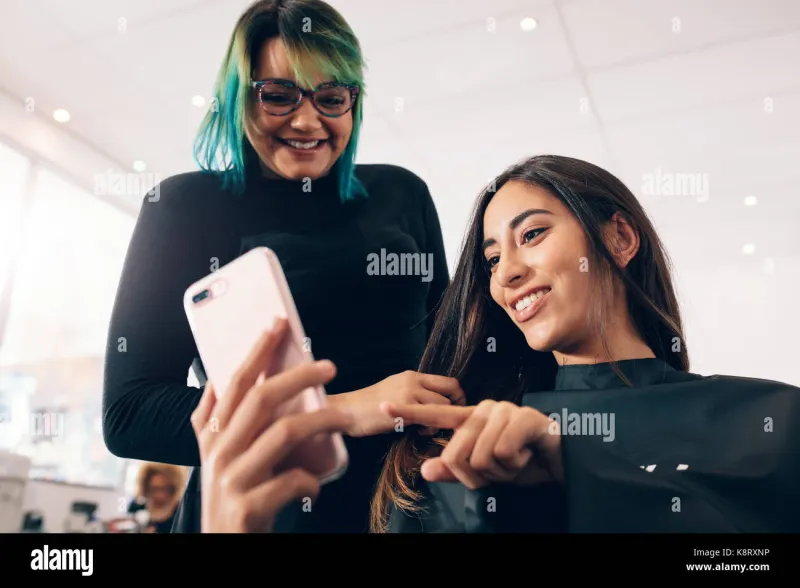
Communicate openly with your stylist. Bring reference photos, yes — but also bring context. Tell your stylist about your lifestyle, your job, how much time you realistically spend on your hair each morning. The best cut in the world doesn't work if it requires forty minutes of styling you're never going to do.
Don't be afraid of change. Sometimes the most powerful thing you can do is let go of a style you've been holding onto out of habit rather than love. A fresh cut or color isn't just cosmetic — it can genuinely signal a new beginning, both to the people around you and to yourself.
Your Hair Is Already Telling a Story
The bottom line is this: your hair is never neutral. Every day you walk out the door, it's communicating something about who you are, how you feel, and how seriously you take your own presence in the world.
That's not pressure — it's an opportunity. Because when you're intentional about your hair, you get to write that story yourself. And that's exactly what we're here to help you do, one strand at a time.