Why Your Salon Look Disappears in Two Weeks (And What to Do About It)
You know that feeling. You're sitting in the salon chair, watching your stylist work, and somewhere between the blow-dry and the finishing spray, you think: this is it. This is the version of me I want to be every single day.
And then real life happens.
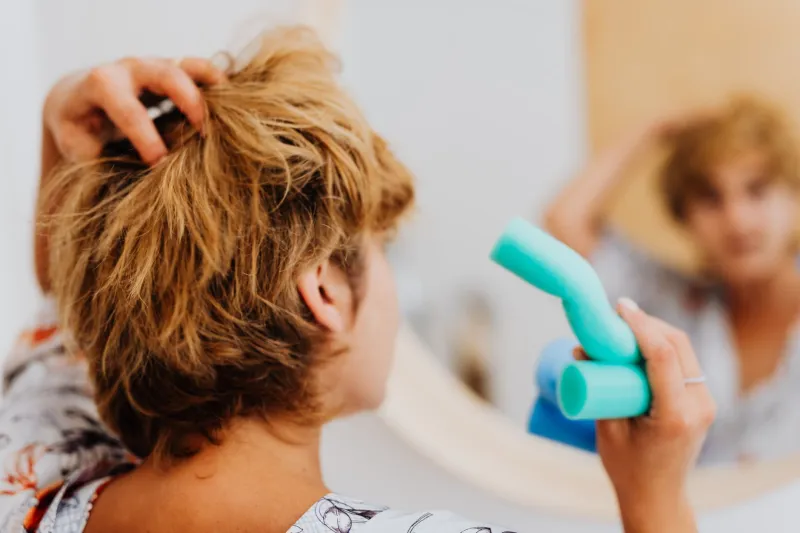
Two weeks later — sometimes less — you're staring in the bathroom mirror wondering where that person went. Your color looks dull. Your cut isn't sitting right. The shine is gone. It feels like the salon experience had an expiration date, and you missed the fine print.
Here's the thing: it's not your hair's fault. And it's not your stylist's fault either. It's something we call the maintenance gap — the space between what happens in the chair and what happens the other 6,900+ hours of the year when you're on your own.
Closing that gap doesn't require a second job or a cabinet full of expensive products. It just requires knowing a few things your stylist probably wishes they had more time to tell you.
What Your Stylist Is Actually Doing That You're Not
When a professional styles your hair, they're working with a combination of technique, product knowledge, and tools that most people don't fully replicate at home — and that's completely understandable. They've spent years learning exactly how much heat to use, which direction to wrap each section, and how long to hold a curl for maximum longevity.
But the bigger piece most clients miss? It starts before the styling even begins.
Professional prep work — the shampoo, the conditioning treatment, the way hair is towel-dried and detangled — sets the foundation for everything that follows. When you rush through your wash routine at home, you're essentially building on a shaky foundation and expecting the same house.
Take note of what products your stylist applies before they ever pick up a brush. That heat protectant, that volumizing mousse, that smoothing serum — those aren't just extras. They're load-bearing walls.
The Product Problem (It's Not What You Think)
Let's talk about products for a second, because this is where a lot of well-meaning clients go sideways.
The issue usually isn't that people aren't using products — it's that they're using the wrong ones for what they're trying to maintain, or they're using them in the wrong order, or in the wrong amounts. A dime-sized drop of a curl cream on thick, coarse hair isn't going to do much. And layering three heavy products on fine hair is going to weigh it down by noon.
Here's a general framework that works across most hair types:
For color-treated hair: Sulfate-free shampoo is non-negotiable. Sulfates strip color faster than almost anything else, and if you're still using a drugstore shampoo with sodium lauryl sulfate, you're essentially washing your color investment down the drain — literally. A weekly gloss or toning mask can also help maintain vibrancy between appointments.
For chemically straightened or relaxed hair: Moisture is everything. These processes alter the hair's structure in ways that make it more vulnerable to dryness and breakage. A leave-in conditioner used consistently (not just when your hair feels dry) can make a dramatic difference in how your style holds up.
For naturally textured or curly hair: The LOC or LCO method — layering liquid, oil, and cream in a specific order — helps lock in moisture that curly hair desperately needs. The order matters more than most people realize, and switching it up can mean the difference between defined curls and a frizzy afternoon.
For fine or straight hair: Less is more, but the right less matters. A lightweight volumizing spray at the roots before blow-drying can replicate a lot of what a stylist does to give your hair that body it seems to magically have after every appointment.
The Washing Frequency Myth
One of the most common conversations stylists have with clients involves how often they're washing their hair — and the answer is almost always "too often."
Daily washing, especially with harsh shampoos, strips the scalp's natural oils. Your scalp responds by producing more oil to compensate, which creates a cycle where you feel like you need to wash again sooner. Breaking that cycle takes patience — usually two to three weeks of gradually spacing out washes — but the payoff is real. Hair that's not being stripped daily holds style longer, retains color better, and generally behaves more predictably.
Dry shampoo is your friend here, but use it strategically. Apply it to the roots the night before you need it rather than the morning of — it absorbs more effectively and doesn't leave that chalky residue that makes hair look flat.
Heat: The Everyday Thief
If your color is fading fast or your ends always seem dry and rough, your heat tools might be working against you more than you realize.
High heat doesn't just style hair — it opens the cuticle, which lets color molecules escape and moisture evaporate. Using a heat protectant every single time (yes, every time) is the single easiest habit you can build to extend your salon results. It takes three seconds and makes a measurable difference.
Also worth considering: the temperature setting on your tools. Most people default to the highest setting because it seems to work faster, but for fine or color-treated hair, a lower setting with slower, more deliberate passes actually produces better results with far less damage.
Ask More Questions in the Chair
Here's something that doesn't get said enough: your appointment isn't just a service — it's a consultation opportunity. Before you leave the salon, ask your stylist specifically what they used and why. Ask them to walk you through how they dried your hair or set your curl. Most stylists genuinely love this conversation because it means you're invested in the work they just did together.
At D. Cole Hair Design, that back-and-forth is part of what we believe makes a great client-stylist relationship. The more you understand about your own hair, the better we can serve you — and the longer your results last between visits.
The Mindset Shift That Changes Everything
Maintaining your salon look isn't about chasing perfection every morning. It's about understanding that the investment you made in the chair has a longer life than you think — if you give it a little support.
Think of it less like trying to recreate the salon experience every day and more like protecting something you already have. A few intentional habits, the right products for your specific hair type, and a little patience with the learning curve will close that maintenance gap faster than you'd expect.
Your hair can tell your story long after you leave the salon. It just needs the right tools to keep the narrative going.