From 'What Did I Do?' to 'I Love This': The Real Timeline After a Major Hair Change
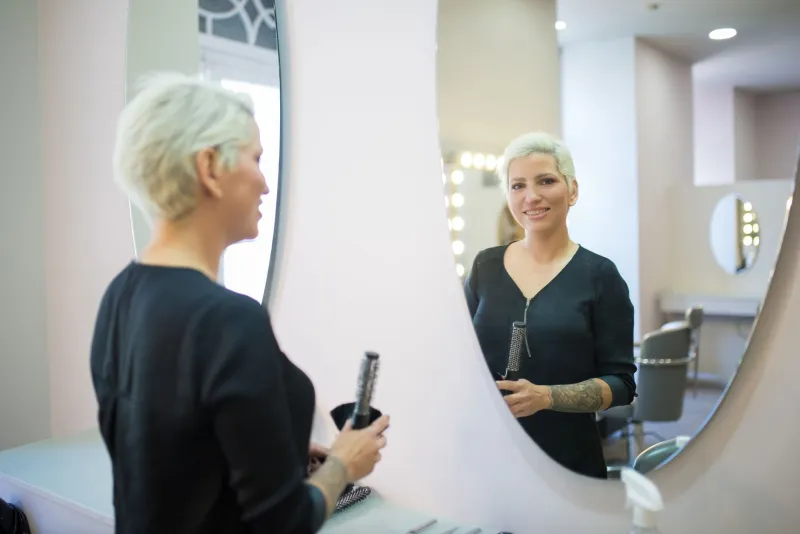
You walked out of the salon feeling electric. Then you got home, caught your reflection in the bathroom mirror under those unforgiving fluorescent lights, and felt your stomach drop.
Sound familiar?
If you've ever made a major hair change — a dramatic chop, a bold color shift, a texture transformation — and then immediately questioned every decision you've ever made, you're in very good company. The emotional rollercoaster that follows a big hair moment is real, it's documented, and it has a timeline. The good news? It almost always ends somewhere better than where it started.
Let's walk through what actually happens after a dramatic hair transformation, and how you can move through it with a little more grace.
Why the First 24 Hours Feel So Disorienting
Here's something stylists know that most clients don't: the first day after a major change is almost never a reliable indicator of how you'll feel long-term.
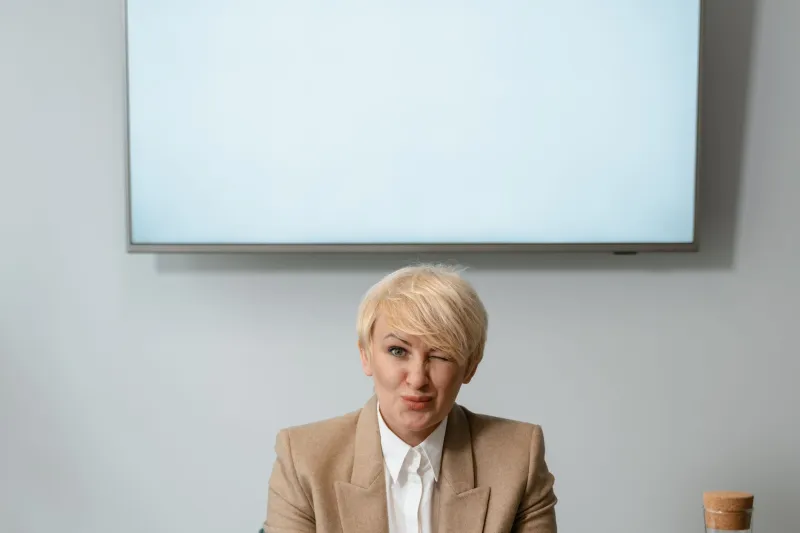
When you change your hair dramatically, your brain is essentially playing catch-up. Psychologists refer to this as a disruption in your visual self-concept — the mental image you carry of yourself. You've spent years, maybe decades, recognizing that version of yourself in the mirror. When something shifts significantly, your brain flags it as unfamiliar, and unfamiliar often reads as wrong before it reads as different.
This is why you might love the change in the salon chair — surrounded by good lighting, a skilled stylist, and fresh energy — and then feel uncertain by bedtime. It's not the hair. It's your brain doing its job.
Give yourself at least 48 to 72 hours before drawing any real conclusions.
Days 2 Through 7: The Adjustment Zone
The first week is typically the trickiest stretch. You're styling it yourself for the first time, figuring out new routines, and probably fielding reactions from people around you — some enthusiastic, some puzzling, and maybe a few that land a little sideways.
During this phase, a few things tend to happen:
- You start experimenting. You try different products, different techniques, maybe a new part or a different way of pinning it back. This is actually healthy — it means you're engaging with the change rather than resisting it.
- You seek reassurance. You might ask your partner, your best friend, your coworker what they think. This is normal, but try not to let other people's opinions become your compass. Their eyes are also adjusting.
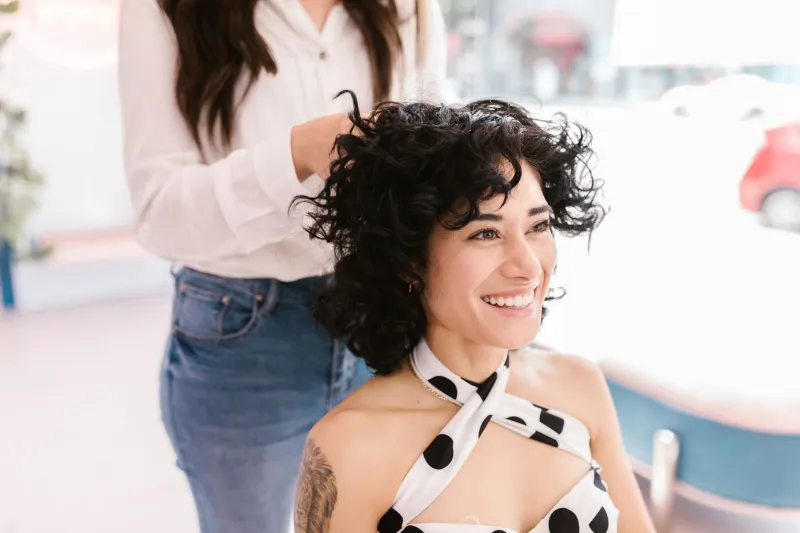
- You have moments of genuine excitement. They might be brief, but they're there. Pay attention to those moments — they're previews of where you're headed.
One thing stylists at D. Cole Hair Design hear all the time from clients during this window: "I keep forgetting and then remembering." That forgetfulness is actually a sign your brain hasn't fully updated its image of you yet. Once it does, the surprise fades and the comfort settles in.
Weeks 2 and 3: The Turning Point
For most people, somewhere between the 10-day and three-week mark is where the shift happens. The new style starts to feel less like a costume and more like a choice. You stop doing a double-take at your reflection. You find a styling routine that works. You start to notice what you actually like about the change.
This is also when the compliments start landing differently. In week one, a compliment might feel like someone trying to make you feel better. By week three, you can actually receive it.
If you're still feeling unsettled at the three-week mark, it's worth checking in with your stylist. Sometimes a small tweak — a slight adjustment to the cut, a toner refresh, or a styling tip — can be the thing that moves you from "tolerating" to "loving."
What Slows the Adjustment Down
Not everyone moves through this timeline at the same pace, and that's okay. But there are a few things that tend to extend the discomfort:
Comparing yourself to before. Looking at old photos constantly is one of the biggest obstacles to settling into a new look. Your brain keeps using the old image as the benchmark, which makes the new one feel like a deviation rather than an evolution.
Letting the change happen to you instead of with you. If you went into the appointment feeling uncertain and said yes to something you weren't sure about, the adjustment is harder. That's not a reason to avoid bold changes — it's a reason to be an active participant in your consultations.
Neglecting the maintenance. A dramatic cut or color that isn't being cared for properly can look very different from what you saw leaving the salon. Using the right products, following your stylist's aftercare advice, and keeping up with trims or toner appointments makes a real difference in how the style performs — and how you feel about it.
Tips for Getting There Faster
If you want to shorten the gap between "what did I do" and "I'm obsessed," here's what actually helps:
Style it intentionally for at least five days. Don't just let it air-dry and hope for the best. Put in a little effort each morning, even if it's minimal. Feeling put-together in the new style builds familiarity faster.
Dress the part. Sometimes a new hair look needs the rest of your outfit to catch up. If you went shorter and bolder, try leaning into that energy with what you wear. The way your whole look comes together can shift how you feel about any single piece of it.
Talk to your stylist. Seriously — don't suffer in silence. A good stylist wants to hear from you after a big change. They can offer perspective, troubleshoot, and sometimes make tiny adjustments that change everything.
Give it the full month. Before you decide anything is a mistake, give yourself thirty days. Hair grows, styles settle, and you adjust. One month is almost always enough to know whether you love it, like it, or genuinely want to change it.
The Part Nobody Warns You About
Here's the thing about a major hair change that doesn't get talked about enough: sometimes the discomfort isn't about the hair at all.
Big hair changes often happen at turning points — after a breakup, a new job, a milestone birthday, a health journey. The hair is a symbol of something shifting. And when you change something that visible, it can surface emotions that were already there, waiting for a reason to come up.
If you're feeling more than just style-adjustment nerves — if you're feeling grief, or anxiety, or something harder to name — that's worth paying attention to. Hair is one of the most personal things about us. It makes sense that changing it can stir something real.
At D. Cole Hair Design, we believe every strand really does tell your story. And sometimes the most powerful chapter starts with a little uncertainty and ends with you walking into a room like you own it.
That moment is coming. You just have to give it a little time.